Home of High Yielding Commercial Plants
Welcome to
Center for Hybrid Economic Trees
in Partnership with
Matic Agro Development Limited
Pioneering wealth creation through agricultural research, quality seedlings/seeds, profitable plants and sustainable farming practices across Nigeria and beyond.

Available Seeds & Products
High-quality, tested seeds and agricultural products designed for optimal growth and maximum yield in Nigerian agricultural conditions.
ECONOMIC TREES (TREE CROPS)
ECONOMIC TREES
(TREE CROPS)

1. Oil Palm (Elaeis guineensis)
A vital cash crop producing palm oil and palm kernel oil used in food, cosmetics, and biofuel. Known as Africa’s “tree of life.”
*Oil Palm*
Introduction
Oil palm farming remains one of the most profitable agricultural sectors one can invest and get high return of investment within few years. Research has proven that many young people want to invest in oil palm plantation but lack basic knowledge on how to start especially how to get certified hybrid seeds/seedlings, planting and maintenance. Center for Hybrid Economic Trees (CHET) in collaboration with Matic Agro Development Limited provide basic guidelines oil palm growers can follow to become successful farmers.
Basic Facts on Oil Palm
Oil palm (Elaeis guineensis), is a perennial crop with more than 40 years life cycle and most important global oil crop. Palm oil is one of the world’s most widely used products and its global demand is projected to triple with world’s rising population. Oil palm was discovered in West Africa thousands of years ago and it has been major contents in African cuisine even before western imperialism and colonialism. Oil palm was exported to South East Asia hundreds years ago as ornamental (flower) tree crop before Asians discovered its multiple economic values and adaptability in the region. Currently, countries in the region like Indonesia and Malaysia have continued to play dominant role in production and supply of oil palm products. Currently, Indonesia and Malaysia count for over 85% of global supply of crude, vegetable and other by-products of oil palm. Since it was discovered, oil palm remains one of the most import economic trees. Globally, palm oil alone supplies over 40% of the world’s vegetable oil.
Since its economic value was discovered, millions of local and hybrid oil palm seedlings are planted on yearly basis in order to meet up with global demand. As world population increases daily, the demand for oil palm derivatives are on the increase. According to Food and Agriculture Organization (FOA) the demand will triple by the year 2050. The demand will always be higher than supply due to its unit (land) of production is fixed when compared to geometric nature of human population which needs its products in their daily dietary products. The primary unit of production of the oil palm is the farm (land) where the oil palm tree is cultivated or planted to produce palm fruits. Again, oil palm flourishes in a tropical region.
As we have reiterated, oil palm, is the most important global oil crop, accounting about 40% of all traded vegetable oil. It is key dietary components consumed by over 5 billion people daily especially in Africa, North America and Asia. Beside dietary, it also has many other wide range usages. Palm oil is an edible vegetable oil that obtains from the fruit oil palm trees. Two types of oil produced from oil palm are: crude palm oil (it comes from squeezing the mesocarp of fresh fruit and after cooking or stemmed) and palm kernel oil which is comes from crushed of palm kernels. In nutshell, its major products include: crude palm oil or CPO (extracted from mesocarp), palm kernel oil or PKO (extracted from by kernel) which is refined into vegetable oil (palm olein). Other by-products include: palm kernel shell (used in construction of roads; and as biomass fuel), palm truck (for timber), broom, wine, palm kernel cake, etc.
The extensive development of oil palm industries in many countries in the tropical regions have been motivated by its extremely high potential productivity. When compared with other oil source plants, oil palm gives the highest yield of oil per unit area and produces two distinct oils namely: Fresh Fruit Palm Oil (FFPO) and Palm Kernel Oil (PKO). FFPO and PKO are very vital in world trade since 19th century.
Again, modern high-yielding varieties developed by breeding programs, under ideal climatic conditions (ICC) and good management practices (GMP), are capable of producing in excess of 30 tons of bunches per hectare per year (bunches/ha/yr), with palm oil in bunch content of 25 percent. This is equivalent to a yield of 4-7 tons oil/ha/yr (excluding the palm kernel oil), which far outstrips any other source of edible oil.
Five basic facts about oil palm farming:
- Origin and Cultivation: Oil palm (Elaeis guineensis) is native to West Africa but is now widely grown in tropical regions, especially Indonesia and Malaysia, which together produce over 80% of the world’s palm oil.
- Climate Requirements: Oil palms thrive in hot, humid climates with well-distributed rainfall (about 2,000–2,500 mm per year) and temperatures between 24–32°C. They require fertile, well-drained soils.
- Planting and Growth: Oil palms are usually propagated from seeds or tissue-cultured seedlings. They start bearing fruit in 3–4 years and reach peak production around 7–18 years of age.
- Harvesting: The fruit is harvested manually or willth machine when the reddish-orange fruit bunches are ripe. Each palm can produce 10–20 bunches annually, and a mature tree can yield 18–30 tons of fresh fruit bunches annually.
- Products and Uses: Palm oil is extracted from the fruit’s pulp, and palm kernel oil comes from the seed. These oils are used in cooking, processed foods, cosmetics, biofuels, and industrial applications.
Steps to Modern Oil Palm Cultivation
According to FAO, young oil palm trees need a lot of care. A grower should never be in hurry if he wants to be successful in the sector. It is better to make a smaller plantation, but look after it carefully than uncared large plantation. Modern oil palm growing is capital intensive and it involves a lot work. Hence, for one to cultivate oil palm, he must think thoughtfully the following factors and practices:
- He must consider the availability of land. Land from time immemorial remains one of the basic means of production. Without it, it is unthinkable for one to engage in oil palm cultivation.
- He must buy sprouted seeds or seedlings from certified dealers or cross breeding companies. The grower can nurse the germinated seeds to seedlings or buy already nursed seedlings that are due for transplanting from the licensed dealer.
- Before transplanting, the grower has to clear the forest and remove the tree stumps.
- The land should be mapped using recommended spacing and recommended size of holes.
- After field planting, the grower must put wire netting (collar wire) around the young trees if there is any perceived herbivorous threat and keep watch over the plantation.
- The grower should apply recommended fertilizers at appropriate time
- The grower must not allow weeds to overgrow the palm trees and the trees must be protected from damage by rats, grass cutters, agoutis, etc.
- Once the oil palms have begun to produce, the fruit must be harvested at the right moment (3 to 5 drops).
- The grower should not allow the fruits to become too ripe or stay too long after harvesting. If many clusters drops or allowed to ferment after harvesting the quality of the fruit will be less good with high ffa (fatty acid concentration will be high).
*Oil Palm Varieties*
Variety is a taxonomic rank used to classified plants based on their unique traits. Oil palm is highly and inherently unique unlike other plants that are “true to type” by producing offering similar to the parent plant. In a nutshell, when seedlings from a variety of plant grow, they will also inherit the same characteristics of the parent plants unlike oil palm which can turn to another variety. For instance, seeds taken from a mother palm may not be of the same variety with the mother palm.
First, let us highlight varieties of oil palm. When it comes to oil palm, there are three main types of varieties namely:
Dura
Pisifera
Tenera
Dura
Dura can be best defined and noticed based on its features. It is type of oil palm with a thick shell and thin mesocarp (flesh). Dura has more of shell than flesh. In other words, it has 80 to 90% shell (kernel), 10 to 20% (flesh). Dura is ideal for palm kernels production not really for crude palm oil production. It is not recommended for commercial plantation if the grower aims to achieve high return of CPO. In hybridization, the mother palm of a hybrid oil palm is called dura
Pisifera
Pisifera is a type of oil palm with large mesocarp (flesh) and no shell. In other words, pisifera fruits have no shell at all. It is a shell-less oil palm fruit. In hybridization, the father palm of a hybrid palm is called pisifera.
Characteristics of Pisifera Oil Palms
Tenera
Tenera is the third type of oil palm varieties. Unlike dura, it has large mesocarp (flesh) and thin shell. Unlike pisifera, it has shell. Tenera is 80 to 90% flesh, 10 to 20% kernel (shell). Tenera is best for commercial/crude palm oil production. For commercial purposes, the only type of oil palm that can produce large amounts of oil is the hybrid tenera type. Tenera palms are considered the best palms because: each fruit produces large quantities of oil (which is in the mesocarp, the yellow flesh). The palms also produce a large amount of fruit bunches.
If you want to invest in oil palm farming or processing, contact us at Center for Hybrid Economic Trees (CHET).
Call/Whatsapp: +2347040886626.

2. Coconut (Cocos nucifera)
Provides coconut water, milk, oil, and fiber (coir). Every part of the tree is useful — often called “the tree of a thousand uses.”
*Coconut*
Coconut farming is one of the most profitable and sustainable agricultural ventures in tropical regions. The coconut palm, often called the “Tree of Life,” provides a wide range of products such as coconut oil, water, milk, coir, and timber — making it valuable for both local use and export markets.
With the increasing global demand for organic food, natural oils, and eco-friendly products, coconut farming offers steady income opportunities for farmers and agripreneurs. A single coconut palm can yield 100–200 nuts per year, and with proper management, a plantation can remain productive for over 60 years.
Overall, coconut farming is not only an economically rewarding enterprise but also an environmentally friendly one — contributing to rural development, soil conservation, and sustainable livelihoods.
Economic benefits of coconut farming:
- Coconut, like many other perennial agricultural trees are multi-million dollar sector. When compared with oil palm plantation, coconut plantation has low capital-intensive, low labor intensive and life-long sources of steady income (it is all year round tree). The global Coconut market size is valued more than 18510.92 million dollars.
- Globally, the demand for coconut oil and milk is in increase on daily basis due to its industrial value. There is under production of coconuts in Nigeria. Nigeria imports coconuts from other countries, to provide raw material for local industries. There is need for we to invest in coconut farming order to bridge the gap in supply.
COCONUT VARIETIES
There are basically two varieties of coconuts: Tall and Dwarf.
- It is the cross breeding between Tall & Dwarf (TxD), that produce hybrid Dwarf coconut which is very high yielder under good management practices.
- The hybrid (dwarf) coconut varieties start producing inflorescence (flowers) in 3 to 4 years after planting. Dwarf coconut variety produces more nuts/fruits per tree per year; up to 500 pods annually.
- The characteristics of hybrid coconuts include: early maturation, fruiting between 3 and 4 years, unlike 5 to 9 years waiting period for the tall varieties; more kernel and oil content.
There are species like: Malayan Yellow Dwarf Coconuts, Fiji Dwarf Coconut, Yellow Coconut, Green Coconut and
Golden Green Malay.
Two basic facts about coconut farming:
- Tropical Crop:
Coconuts grow best in tropical climates with temperatures between 25°C and 32°C and annual rainfall of 1000–3000 mm.
- Soil Requirements:
They thrive in well-drained sandy or loamy soils with a pH of 5.0–8.0. Waterlogged or clayey soils can reduce productivity.
- Propagation:
Coconuts are mainly propagated by seed nuts (mature coconuts) from high-yielding mother palms.
- Varieties:
There are two main types — Tall varieties (e.g., West Coast Tall) which bear fruit after 6–7 years, and Dwarf varieties (e.g., Chowghat Orange Dwarf) which start fruiting after 3–4 years.
- Planting Spacing:
Typical spacing is 7.5–9 meters apart, allowing about 140–175 palms per hectare.
- Water Needs:
Coconuts require regular irrigation, especially in dry seasons. Drip irrigation is often used for efficiency.
- Fertilization:
Balanced fertilization with nitrogen, phosphorus, and potassium is crucial for healthy growth and high nut.
- Major Producing Countries:
Leading producers include Indonesia, the Philippines, India, Sri Lanka, and Thailand.
- Uses of Coconut:
Almost every part of the coconut palm is useful — copra for oil, husk for coir, leaves for thatching, trunk for timber, and water and flesh for food and drink.
If you want to invest in coconut farming, contact us today.
Call/Whatsapp: +2347040886626

3. Cocoa (Theobroma cacao)
The source of chocolate and cocoa butter. A key export crop with high demand in the confectionery and cosmetics industries.
Cocoa
Cocoa farming is a highly profitable and sustainable agribusiness, especially in tropical regions with warm, humid climates. Cocoa (Theobroma cacao) is the main raw material for chocolate production, making it one of the most valuable cash crops globally.
Cocoa trees thrive under shade, moderate rainfall (1,500–2,000 mm), and fertile, well-drained soils. Once established, cocoa plants can produce pods for 25–40 years, offering long-term income for farmers. The crop begins to bear fruit within 3–5 years after planting.
Profitability in cocoa farming comes from both local sales and export markets, as global demand for chocolate and cocoa-based products continues to rise. Farmers can further increase income through value addition — such as fermenting, drying, or processing beans into cocoa powder, butter, or chocolate.
Additionally, cocoa farming supports agroforestry systems, where it can be intercropped with plantains, coconuts, or timber trees, reducing risks and improving soil health.
With proper management, quality seedlings, and good post-harvest handling, cocoa farming offers steady, long-term profits, contributing significantly to rural employment and export earnings.
Ten Basic Facts about Cocoa Farming
1. Tropical Crop:
Cocoa (Theobroma cacao) grows best in humid tropical climates, typically within 20° north and south of the Equator.
2. Climate Requirements:
It needs consistent rainfall (1,500–2,000 mm annually), temperatures between 21°C and 32°C, and partial shade.
3. Soil Needs:
Cocoa thrives in deep, well-drained, fertile loamy soils rich in organic matter, with a pH of 5.0–7.5.
4. Propagation:
Usually propagated by seeds, budding, or grafting, with seedlings raised in nurseries before transplanting to the field.
5. Planting Spacing:
Standard spacing is about 3 × 3 meters or 3 × 2.5 meters, allowing 1,000–1,100 trees per hectare.
- Maturity and Yield:
Cocoa trees start bearing pods 3–5 years after planting and can remain productive for 25–40 years.
- Harvesting:
Cocoa pods are harvested twice a year—main and mid-crops—by cutting mature pods from the tree using sharp knives.
- Post-Harvest Processing:
Pods are broken, fermented (5–7 days), and dried to develop flavor and prepare beans for sale or export.
- Pest and Disease Management:
Common issues include black pod disease, capsid bugs, and mirids, which require good farm hygiene and disease-resistant varieties.
- Major Producing Countries:
Top producers include Côte d’Ivoire, Ghana, Indonesia, Nigeria, Cameroon, and Brazil, which supply most of the world’s cocoa.
The main types and varieties of cocoa (Theobroma cacao) grown around the world:
Main Types of Cocoa
Cocoa plants are generally classified into three primary types based on their genetic origin, flavor, and characteristics:
- Forastero Cocoa
Description:
The most common and hardy type of cocoa, accounting for about 80–90% of global production.
Characteristics:
Strong, bitter flavor
High yield and disease-resistant
Thick pods with purple beans
Growing Regions:
Widely cultivated in West Africa (Ghana, Côte d’Ivoire, Nigeria), Brazil, and Ecuador.
Examples/Varieties:
Amelonado (West Africa)
Arriba Nacional Forastero (Ecuador)
- Criollo Cocoa
Description:
The finest and rarest cocoa variety, known for superior flavor and aroma, but low yield and high susceptibility to diseases.
Characteristics:
Mild, less bitter, aromatic flavor
Light-colored beans and thin pods
Sensitive to environmental stress
Growing Regions:
Grown in Venezuela, Nicaragua, Peru, and Madagascar.
Examples/Varieties:
Caracas
Porcelana
Ocumare
- Trinitario Cocoa
Description:
A hybrid between Criollo and Forastero, combining good flavor quality with higher yield and disease resistance.
Characteristics:
Balanced flavor (aromatic yet robust)
Medium yield and moderate disease tolerance
Pods and beans show mixed traits
Growing Regions:
Found in Trinidad, the Caribbean, Central and South America, and parts of Asia.
Contact us at Center for Hybrid Economic Trees (CHET).
Call/Whatsapp: +2347040886626.

4. Bitter Kola (Garcinia kola)
A medicinal seed valued for its antioxidant and antimicrobial properties. Commonly used in traditional African medicine.
Bitter kola (Garcinia kola)
Bitter Kola farming is an increasingly profitable agricultural business venture in tropical Africa due to the crop’s high market demand for medicinal, nutritional, and industrial uses. Commonly called “the miracle plant,” bitter kola is prized for its health benefits and cultural significance — making it a valuable cash crop for both local consumption and export.
Bitter kola grows well in humid tropical climates with moderate rainfall and fertile, well-drained soils. It is a perennial tree that begins fruiting after 5–7 years (earlier with improved seedlings) and can remain productive for over 50 years.
The seeds, bark, and leaves are used in traditional medicine to treat coughs, infections, and digestive issues, while the nuts are also used in pharmaceutical, beverage, and herbal industries. With growing global interest in natural remedies, export demand to Europe, Asia, and North America has significantly increased.
Bitter kola farming requires moderate start-up capital, but it offers high long-term returns, especially when managed under good agricultural practices or integrated with other crops like cocoa or plantain. Farmers can also earn extra income from seedling sales, nut processing, and value-added products.
Overall, bitter kola farming is a sustainable, long-term investment that supports health, income generation, and environmental conservation, making it a promising agribusiness for entrepreneurs and rural farmers alike.
Basic facts about bitter kola farming: Scientific Name:
Bitter kola is scientifically known as Garcinia kola, belonging to the family Clusiaceae.
- Climate Requirements:
It thrives in humid tropical climates with annual rainfall of 1,200–2,000 mm and temperatures between 25°C and 35°C.
- Soil Requirements:Bitter kola prefers deep, fertile, well-drained loamy soils rich in organic matter. It does not tolerate waterlogging.
- Propagation:
The crop can be propagated through seeds, budding, or grafting. However, improved grafted seedlings are preferred for early fruiting.
- Planting Spacing:
The recommended spacing is 8 × 8 meters, allowing about 150–170 trees per hectare.
- Maturity and Fruiting:
Bitter kola trees start bearing fruits after 5–7 years from seed, or 3–4 years when grafted. Mature trees can live and produce for 50 years or more.
- Harvesting:
Fruits mature and are harvested once or twice a year. Nuts are extracted, washed, and dried before sale or storage.
- Uses and Benefits:
Bitter kola is used for traditional medicine, food, and pharmaceutical products, known for its antimicrobial, antioxidant, and anti-inflammatory properties.
- Economic Importance:
There is high market demand locally and internationally, particularly in Nigeria, Ghana, Cameroon, and export markets in Europe and Asia.
- Profitability and Sustainability:
Although it requires patience, bitter kola farming is highly profitable in the long term, offering steady income for decades and helping conserve forest biodiversity.
Do you want to invest in bitter kola farming, contact us to help you started.
Call/Whatsapp: +2347040886626

5. Passion Fruit (Passiflora edulis)
A tropical vine fruit rich in vitamin C and antioxidants, used in juices, desserts, and flavorings.
Passion Fruit
Passion fruit (genus Passiflora) is a tropical and subtropical fruit known for its sweet-tart flavor and rich nutritional profile, including vitamins A and C, fiber, and antioxidants. Beyond its consumption as fresh fruit, juice, and in processed products like jams and desserts, passion fruit has significant economic potential due to rising global demand.
Overview
Passion fruit cultivation can be highly profitable because of its relatively fast growth, high yield per plant, and multiple uses. It thrives in well-drained soils with adequate rainfall or irrigation. With proper management, passion fruit orchards can begin producing fruit within 12–18 months, and plants can remain productive for 5–7 years or more. The fruit is in demand both locally and internationally, especially for juice and processed products, providing farmers with multiple marketing avenues.
Key Basic Facts:
Botanical name: Passiflora edulis
Varieties: Purple (most common for juice) and yellow (higher juice content, larger fruits)
Climate: Tropical/subtropical; temperatures 20–30°C optimal
Soil: Well-drained, fertile, slightly acidic (pH 6–7)
Planting: Can be grown from seeds or cuttings; trellising required for support
Harvest period: 12–18 months after planting; peak fruiting lasts several months
Yield: 10–30 tons per hectare per year under good management
Market potential: Fresh fruit, juice, jams, cosmetics, and export markets
Profitability
Passion fruit is considered lucrative because of its high market demand and versatility. Value addition (juice, pulp, or processed products) significantly increases returns compared to selling fresh fruit alone. Proper management, pest control, and post-harvest handling are key to maximizing profits.
You can buy Passion Fruit Seedlings at Center for Hybrid Economic (CHET) and also at Matic Agro Development Limited.
Call/Whatsapp: +23470886626

6. Banana (Musa spp.)
A staple tropical fruit crop, providing quick energy, fiber, and potassium. Also grown for export and local consumption.
*Banana Farming*
Banana farming is one of the most lucrative and sustainable agribusiness ventures in tropical and subtropical regions. Bananas are among the world’s most consumed fruits, offering a steady demand both in local and international markets. With proper management, modern farming practices, and good marketing strategies, banana cultivation can provide consistent income throughout the year.
Overview of Banana Farming
Bananas (genus Musa) are fast-growing, herbaceous plants that thrive in warm, humid climates. They are cultivated primarily for their fruit, but also for by-products such as banana chips, flour, fiber, and leaves used in packaging and crafts.
Key banana-producing countries include India, China, the Philippines, Ecuador, and several African nations such as Uganda and Nigeria. Because bananas can be harvested year-round, they offer continuous cash flow—unlike many seasonal crops.
Basic Requirements for Banana Farming
- Climate and Soil:
Temperature: Ideal range is 25–35°C (77–95°F).
- Rainfall: Requires 1000–2500 mm annually or reliable irrigation.
- Soil: Deep, well-drained loamy soils rich in organic matter (pH 6–7.5).
- Sunlight: Requires full sun exposure for optimal growth.
- Planting Materials:
Use high-yield, disease-resistant varieties. Planting can be done using suckers or tissue culture.
- Farm Management Practices:
- Proper spacing (typically 1.8 m × 1.8 m or 2 m × 2 m).
- Regular irrigation and mulching to maintain soil moisture.
- Fertilization with nitrogen, phosphorus, and potassium-rich manure.
- Pest and disease management (notably control of Panama disease, nematodes and banana weevils).
- Timely harvesting and post-harvest handling to maintain fruit quality is important.
Market Potential
Bananas have a ready market in local fruit stalls, supermarkets, processing industries (banana chips, flour, juice), and export channels. The continuous demand and perishability of bananas ensure a fast turnover for farmers.
Contact us to start Banana Farming.
Call/Whatsapp: +2347040886626
Email: centerforhybrideconomictrees@gmail.com

7. Plantain (Musa paradisiaca)
A major carbohydrate food in Africa. Eaten boiled, roasted, or fried — nutritious and income-generating for farmers.
*PLANTAIN*
Plantain farming is a highly profitable and sustainable agricultural venture, especially in tropical regions of Africa, Latin America, and Asia where the crop thrives naturally.
Plantains (Musa paradisiaca) are a major staple food and a key source of carbohydrates, vitamins, and minerals. Their high demand for both household consumption and commercial processing (such as chips, flour, and pastries) makes plantain cultivation a reliable source of income for farmers all year round.
Basic Requirements for plantain farming:
- Plantains grow best in warm, humid climates with temperatures between 25–35°C and annual rainfall of 1000–2500 mm or reliable irrigation.
- The crop prefers deep, fertile, well-drained loamy soils rich in organic matter with a pH of 6.0–7.5.
- Quality planting materials—either healthy suckers or tissue-cultured plantlets—should be used to ensure high yield and disease resistance.
- Proper farm management practices such as spacing (usually 2 m × 2 m), mulching, regular weeding, fertilization, and pest control are essential for optimal growth.
Economic Outlook
Plantain farming offers strong financial potential due to its steady market demand and relatively short maturity period (8–10 months). A well-managed hectare can produce 20–30 tons of plantains per year, and because plantains can reproduce through suckers, replanting costs are minimal. Profit margins typically range between 30% and 50%, depending on yield and market price. With opportunities in local sales, export, and value addition (like plantain chips, flour, and baby food), plantain farming remains a viable and profitable agribusiness for both small- and large-scale farmers.
Contact us if you want to invest in plantain farming.
Call/Whatsapp: +237040886626
Email: centerforhybrideconomictrees@gmail.com

8. Ogbono (Irvingia gabonensis / bush mango)
Seeds are used to thicken soups and are rich in healthy fats. The fruit pulp is edible and sweet.
*Ogbono*
Ogbono, also known as wild mango or bush mango (Irvingia gabonensis), is a tropical African tree valued for its edible seeds, which are used to prepare the popular “draw soup” enjoyed across West and Central Africa. Beyond its culinary importance, ogbono seeds are in high demand both locally and internationally due to their nutritional and medicinal benefits.
*Overview*
Ogbono farming involves cultivating Irvingia gabonensis trees primarily for their seeds, though the fruit pulp, bark, and leaves also have economic and medicinal uses. The tree grows well in humid tropical regions with well-drained soil and moderate rainfall—conditions common in southern Nigeria, Cameroon, Ghana, and parts of Central Africa.
Profit Potential
Ogbono farming is highly profitable for several reasons:
- High Market Demand: Ogbono is a staple ingredient in many African dishes, ensuring steady local and export markets.
- Value Addition: Processed ogbono (dried, ground, or packaged) attracts higher prices.
- Low Maintenance: Once established, ogbono trees can produce fruits for decades with minimal input costs.
- Multiple Income Streams: Besides the seeds, farmers can earn from selling seedlings, fruits, and timber.
Basic Requirements for Ogbono Farming
Land: Fertile, well-drained soil in a warm, humid environment.
Seedlings: Improved or hybrid ogbono varieties with early maturity and high yield.
Patience: Trees take 5–7 years to start bearing fruit, but yields increase over time.
Spacing and Planting
Trees need ample space to grow, typically 8–10 meters apart, because they develop a wide canopy. Planting in rows with sufficient spacing allows proper sunlight penetration and air circulation.
Economic Outlook
With rising urbanization and growing diaspora markets, demand for ogbono continues to expand. Investing in ogbono farming can generate long-term, sustainable income with proper management and access to reliable buyers or processing channels.
Contact us at Center for Hybrid Economic Trees (CHET).
Call/Whatsapp: +2347040886626
9. Oranges (Citrus sinensis and related citrus)
Loved for their refreshing juice and vitamin C content. The citrus family also includes lime, lemon, and tangerine.
*ORANGES*
Oranges (citruse) Farming a
is a Potential Agricultural Business you can start.
Orange farming, including related citrus fruits like tangerines and lemons, lime, grape, etc, presents a promising portable agricultural business due to its adaptability and high market demand. These fruits are rich in vitamins, particularly vitamin C, making them popular for fresh consumption, juices, and value-added products.
A portable approach to citrus farming involves cultivating these fruits in modular setups, such as containerized farms, small plots, or even vertical systems, allowing for flexibility in location and scale. Tangerines are valued for their sweet taste and easy peeling, while lemons are prized for their acidity and versatility in culinary and industrial uses. With proper soil management, irrigation, and pest control, citrus farming can generate steady income, cater to local and urban markets, and be scaled up or relocated with minimal investment compared to traditional large orchards.
Key requirements:
- Orange farming requires a subtropical climate with well-drained, fertile soil to ensure healthy tree growth and fruit production.
- Adequate sunlight and regular irrigation are essential for high yields, with drip irrigation being the most efficient method.
- Selecting high-quality seedlings or grafted plants and proper spacing between trees promotes strong growth and reduces disease risk.
- Balanced fertilization and organic soil enrichment are necessary to support continuous flowering and fruiting.
- Finally, pest and disease management along with timely harvesting ensures marketable fruits and sustained business profitability.
Contact us for professional guide if you want to invest in orange farming.
Call/Whatsapp: +2347040886626
Email: centerforhybrideconomictrees@gmail.com

10. Mango (Mangifera indica)
A popular tropical fruit tree producing sweet, aromatic fruits. Mangoes are rich in vitamins A and C.
*MANGO*
Mango farming is one of the most lucrative agricultural ventures due to the fruit’s high domestic and international demand. Known as the “king of fruits,” mangoes are consumed fresh, processed into juices, jams, and dried products, providing multiple revenue streams. With the right management practices, mango cultivation can offer long-term income because trees are perennial and productive for many years. Both small-scale and large-scale operations can be profitable, especially when combined with modern farming techniques, quality seedlings, and proper marketing strategies.
Key Requirements
- Mango trees thrive in tropical and subtropical climates with well-drained, sandy-loam soils and a pH of 5.5–7.5.
- Adequate sunlight and moderate irrigation are essential, particularly during flowering and fruit development.
- High-quality grafted seedlings ensure better yield and disease resistance, while proper spacing prevents overcrowding and promotes air circulation.
- Regular fertilization and organic soil enrichment support healthy growth and abundant fruiting.
- Effective pest and disease control and timely harvesting are critical for producing marketable, high-quality mangoes.
Economic Outlook
- High Market Demand: Mangoes are in demand both locally and internationally, ensuring steady sales.
- Multiple Revenue Streams: Fresh fruit sales, processed products, and value-added exports increase profitability.
- Long-Term Investment: Mango trees produce fruit for 30–50 years with proper care.
- Export Potential: Many countries import mangoes, offering foreign exchange opportunities.
- Scalable Business: Smallholders and commercial farms can adjust production scale according to capital and market access.
If you want to invest in mango farming, contact us today.
Call/Whatsapp: +2347040886626

11. Guava (Psidium guajava)
A hardy tropical fruit with a unique flavor and high vitamin C content. Leaves and bark have medicinal uses.
*Guava*
Guava is a precious fruit many people enjoy eating across the globe.
Guava farming is a highly profitable agricultural venture due to the fruit’s high nutritional value, rich in vitamin C, and its wide consumption in fresh, juice, and processed forms. Guava trees are hardy, fast-growing, and adaptable to various soil types, making them suitable for small and large-scale farming. The crop has a relatively short gestation period, allowing farmers to start earning income within 1–2 years of planting. With proper care, guava orchards can provide consistent yields over many years, creating a steady revenue stream. Market demand for fresh guava and its processed products continues to rise, offering strong business potential.
Key Requirements
- Guava trees grow best in tropical and subtropical climates with well-drained loamy or sandy soils and a pH of 5–7.
- Adequate sunlight and moderate irrigation are crucial, especially during flowering and fruiting stages.
- High-quality seedlings or grafted plants ensure early fruiting and disease resistance, while proper spacing allows air circulation and reduces pest problems.
- Regular fertilization and organic matter support healthy growth and high yields.
- Timely pest and disease management and careful harvesting ensure marketable fruits and reduce losses.
Economic Outlook
- High Market Demand: Guava is consumed fresh and processed, ensuring steady sales.
- Quick Returns: Early-bearing varieties provide income within 1–2 years.
- Multiple Revenue Streams: Opportunities in fresh fruit, juices, jams, and other processed products.
- Low Maintenance: Guava trees are hardy and less demanding compared to other fruit crops.
- Export Potential: Growing international demand for tropical fruits opens export opportunities.
Contact us at Center for Hybrid Economic Trees (CHET).
Call/Whatsapp: +2347040886626

12. Avocado (Persea americana)
Known for its creamy fruit rich in healthy fats, vitamins, and minerals. Highly valued in nutrition and skincare.
*Avocado*
Avocado farming is a highly lucrative agricultural venture due to the fruit’s growing global demand for its nutritional value, including healthy fats, vitamins, and minerals. The crop is versatile, consumed fresh or processed into oils, spreads, and other value-added products, providing multiple revenue streams. Avocado trees can be cultivated on small or large scales, and with proper management, they offer long-term production over many years. Although initial establishment costs may be high, the potential for premium pricing in domestic and export markets makes it profitable. Rising health-conscious consumer trends worldwide continue to drive strong demand for avocados.
Basic facts about avocado farming:
- Climate Requirements – Avocado trees grow best in subtropical to tropical climates with minimal frost. They are sensitive to extreme cold and prolonged drought.
- Soil Needs – They require well-drained, loamy, slightly acidic soil. Poor drainage or heavy clay can lead to root rot.
- Spacing – Trees should be spaced about 5–8 meters (16–26 feet) apart to allow proper sunlight, airflow, and room for root expansion.
- Maturity & Yield – Avocado trees typically start producing fruit 3–4 years after planting for grafted trees and 5–7 years for seed-grown trees. Full production is usually reached around 7–10 years.
- Watering & Care – They need consistent watering, especially during flowering and fruiting, but over watering must be avoided. Mulching and fertilization help improve yield and tree health.
Economic Outlook in 5 Points
- High Market Demand: Avocados are in growing demand locally and internationally due to health trends.
- Multiple Revenue Streams: Income can be earned from fresh fruit sales, processed avocado products, and oils.
- Long-Term Investment: Trees produce fruit for 15–20 years with proper care, providing sustained income.
- Premium Pricing: Avocados often fetch higher market prices compared to other fruits.
- Export Potential: Strong global demand opens opportunities for foreign market sales and higher profits.
Contact us at Center for Hybrid Economic Trees (CHET).
Call/Whatsapp: +2347040886626.

13. Native Pear (Dacryodes edulis / Ube)
An African delicacy, often eaten with roasted corn. Its buttery pulp is rich in oils and protein.
NATIVE PEAR (Ube)
Native pear also know as Ube is highly valued plant especially in Eastern Nigeria. In Eastern Nigeria and other part of West Africa, native pear farming is a profitable agricultural venture due to the fruit’s high nutritional value, rich in vitamins, healthy fats, and minerals. The fruit is consumed fresh, roasted, or processed into oils and other products, offering multiple revenue streams. Native pear trees are hardy, adaptable to various soil types, and can thrive with minimal maintenance, making them suitable for small and large-scale farming. The trees have a relatively long productive lifespan, providing sustained income over many years.
Growing demand for native pears in local and regional markets presents a strong business opportunity for farmers.
Key Requirements for Native Pear Farming
- Native pear trees grow best in tropical climates with well-drained soils and moderate fertility.
- Adequate sunlight and periodic irrigation are important, particularly during flowering and fruiting stages.
- High-quality seedlings or grafted plants improve yield and disease resistance, while proper spacing (7-10m) ensures healthy growth and air circulation.
- Regular organic fertilization supports fruit development and tree health for early maturity which takes 4-6 years.
- Timely pest and disease management and careful harvesting are essential to produce marketable, high-quality fruits.
Economic Outlook
- High Local Demand: Native pear is popular for fresh consumption and processing in local and regional markets.
- Multiple Revenue Streams: Income can be earned from fresh fruit, roasted seeds, and oil extraction.
- Low Maintenance Crop: Hardy trees require minimal care compared to other fruit crops.
- Long-Term Investment: Trees can remain productive for many years, providing sustained income.
- Market Expansion Potential: Growing awareness of the fruit’s health benefits could increase domestic and regional sales.
If you need native pear seedlings, contact us at at Center for Hybrid Economic Trees (CHET Nigeria Limited) or our partner at Matic Agro Development Limited
Call/Whatsapp: +2347040886626
Email: centerforhybrideconomictrees@gmail.com or maticagrodev@gmail.com

14. English Apple (Malus domestica)
A temperate fruit adapted for various climates. Apples are enjoyed fresh, juiced, or processed into cider.
ENGLISH APPLE
Do you know that some species of English Apple fruit well in some part of West Africa?
English apple farming is a lucrative agricultural venture due to the fruit’s high demand for fresh consumption, cooking, and processing into juices, ciders, and preserves. The crop is versatile and suitable for both small-scale orchards and commercial farms, offering multiple revenue streams. With proper management, apple trees provide consistent yields over many years, making the investment long-term and sustainable. Growing consumer preference for locally grown, high-quality apples adds value in both domestic and niche export markets.
The increasing global demand for healthy, nutrient-rich fruits further enhances the business potential of English apples.
Key Requirements for English Apple Farming
- English apple trees grow best in temperate climates with well-drained loamy soils and a pH of 6–7.
- Adequate sunlight and regular irrigation are essential for flowering, fruit development, and high-quality yields.
- High-quality grafted seedlings ensure early fruiting and disease resistance, while proper spacing promotes air circulation and reduces pest infestations.
- Regular fertilization, pruning, and organic soil enrichment support healthy growth and abundant fruiting.
- Effective pest and disease management and timely harvesting are crucial for producing marketable, high-quality apples.
Economic Outlook
- High Market Demand: Apples are widely consumed fresh and processed, ensuring steady sales.
- Multiple Revenue Streams: Income comes from fresh fruit, juices, ciders, jams, and other processed products.
- Long-Term Investment: Trees remain productive for 15–20 years, providing sustained income.
- Premium Pricing Opportunities: High-quality English apples often fetch better prices in niche and local markets.
- Export Potential: Rising international demand for temperate fruits offers opportunities for foreign market sales.
Contact us to set up English Apple orchard for you in Nigeria and beyond.
Call/Whatsapp: +2347040886626

15. Pomegranate (Punica granatum)
An ancient fruit known for its antioxidant-rich seeds. Widely used in beverages and health products.
POMEGRANATE
Pomegranate fruits are highly medicinal and nutritious. Pomegranate farming is a lucrative agricultural enterprise due to the fruit’s high demand for fresh consumption, juice production, and health-related products.
The crop is hardy, drought-tolerant, and adaptable to various soil types, making it suitable for both small and large-scale cultivation. With proper management, pomegranate trees can provide consistent yields for many years, offering long-term income.
Pomegranates are valued for their antioxidant properties and health benefits, which increases their market demand locally and internationally. The growing trend for superfoods and natural health products further enhances the business potential of pomegranate farming.
Key Facts about Pomegranate Farming:
- Climate Requirements
Pomegranates thrive in semi-arid to subtropical climates with hot, dry summers and cool winters.
They are drought-tolerant but sensitive to frost, especially during flowering and fruit setting. - Soil Conditions
Ideal soils are well-drained loamy or sandy loam soils with a pH between 5.5 and 7.5.
The crop can tolerate slightly saline and alkaline soils better than many fruit crops. - Propagation and Planting
Pomegranates are usually propagated through hardwood cuttings rather than seeds to maintain varietal characteristics.
Spacing typically ranges from 4 × 4 m to 5 × 5 m, depending on the variety and irrigation system. - Irrigation and Fertilization.
Though drought-tolerant, regular irrigation improves fruit size and yield. Drip irrigation is commonly used for water efficiency.
Balanced NPK fertilizer along with micronutrients like zinc and iron promotes healthy growth and fruiting.
Pomegranate trees generally start fruiting 2 to 3 years after planting, depending on how they’re propagated and managed. Here’s a breakdown:
- Vegetative propagation (cuttings or air layering):
Plants usually start bearing fruits in 2–3 years.
A small commercial yield can be expected from the 3rd year, with full production by the 5th or 6th year. - Seed propagation:
Trees grown from seeds may take 4–5 years or more to start fruiting.
This method is less common because seed-grown plants often don’t retain the parent variety’s quality. - Management factors:
Proper irrigation, fertilization, pruning, and pest control can accelerate early fruiting.
Stress conditions (like drought or nutrient deficiency) can delay fruit set.
Maturity:
Pomegranate trees generally start fruiting 2 to 3 years after planting, depending on how they’re propagated and managed. Here’s a breakdown:
- Vegetative propagation (cuttings or air layering):
Plants usually start bearing fruits in 2–3 years.
A small commercial yield can be expected from the 3rd year, with full production by the 5th or 6th year.
- Seed propagation:
Trees grown from seeds may take 4–5 years or more to start fruiting.
This method is less common because seed-grown plants often don’t retain the parent variety’s quality. - Management factors:
Proper irrigation, fertilization, pruning, and pest control can accelerate early fruiting.
Stress conditions (like drought or nutrient deficiency) can delay fruit set.
- Harvesting and Yield
Pomegranates are ready for harvest 5–7 months after flowering, depending on the variety and climate.
Average yield is 10–15 tons per hectare, though high-density or well-managed orchards can yield more.
Economic Outlook/profit potential
- High Market Demand: Pomegranates are popular for fresh consumption, juices, and health products.
- Multiple Revenue Streams: Income can be generated from fresh fruit, juice production, and processed products like jams and extracts.
- Drought-Tolerant Crop: Requires relatively low water compared to other fruit crops, reducing cultivation costs.
- Long-Term Investment: Trees can remain productive for 15–20 years, ensuring sustained income.
- Export Potential: Growing international demand for pomegranate products offers opportunities for foreign market sales.
Do you need pomegranate pomegranate seedlings to plant? If yes, contact us at Center for Hybrid Economic Trees (CHET Nigeria) or at Matic Agro Development Limited
Whatsapp: +2347040886626
Tel: +2347040886626

16. Cashew (Anacardium occidentale)
Produces edible nuts and cashew apple. A major export crop with many industrial and culinary uses.
CASHEW
Cashew farming is a highly profitable agricultural venture due to the growing global demand for cashew nuts, cashew apple products, and derivatives like cashew oil. The crop is hardy, drought-tolerant, and adaptable to a variety of tropical and subtropical soils, making it suitable for both small and large-scale farming. With proper care, cashew trees can provide long-term yields over many years, creating sustained income for farmers.
Cashew cultivation offers multiple revenue streams from nuts, apples, and value-added products. Increasing international demand, especially in food processing and confectionery industries, enhances its economic viability.
Key Requirements
- Climate: Cashew trees thrive in tropical and subtropical climates with temperatures between 24–28°C and moderate rainfall.
- Soil: Well-drained sandy, loamy, or laterite soils with a pH of 5–6.5 are ideal.
- Planting Material: High-quality grafted seedlings or improved varieties ensure better yields and disease resistance.
- Irrigation & Fertilization: Young trees require regular watering; mature trees are drought-tolerant but benefit from occasional irrigation and balanced fertilization.
- Pest & Disease Management: Timely control of pests and diseases, such as tea mosquito bugs and powdery mildew, ensures healthy growth and high-quality nuts.
Economic Potential
- High Global Demand: Cashew nuts are widely consumed worldwide, ensuring steady market demand.
- Multiple Revenue Streams: Income is earned from nuts, cashew apples, cashew oil, and processed products.
- Long-Term Investment: Cashew trees remain productive for 20–30 years, providing sustained income.
- Value Addition Potential: Processing raw cashews into kernels, roasted nuts, and other products increases profitability.
- Export Opportunities: Strong international demand, especially in the confectionery and snack industry, provides significant export potential.
Contact us at Center for Hybrid Economic Trees (CHET).
Call/Whatsapp: +2347040886626

17. Oha/Ora (Pterocarpus mildbraedii)
A leafy tree vegetable used in traditional soups. Valued for its tender, nutritious leaves.
Oha/Ora
Oha/ora (Pterocarpus mildbraedii) is a popular tropical leafy vegetable widely consumed in West African cuisine, especially in soups and stews. Farming Oha is profitable due to its high demand in local markets and its short growth cycle, allowing quick returns on investment. The plant is hardy, fast-growing, and can be cultivated both in home gardens and commercial farms. Oha leaves are highly nutritious, rich in vitamins and minerals, which adds value to its marketability. With proper care and management, Oha farming can provide continuous income for small-scale and large-scale farmers.
Key Requirements for Oha Farming
- Climate: Thrives in tropical and humid conditions with temperatures between 25–30°C.
- Soil: Prefers well-drained loamy or sandy soils rich in organic matter with a pH of 5.5–6.5.
- Planting Material: Healthy cuttings or seedlings are used for propagation to ensure uniform growth.
- Water & Fertilization: Regular watering and organic fertilization support healthy leaf production.
- Pest & Disease Control: Timely management of aphids, caterpillars, and fungal infections ensures high yields.
Economic Potential
- High Local Demand: Oha is widely consumed in soups, stews, and local dishes, ensuring constant market demand.
- Quick Returns: The crop has a short growth cycle of 4–6 weeks for harvesting leaves.
- Low Capital Requirement: Requires minimal input compared to many other crops, reducing production costs.
- Continuous Harvest: Leaves can be harvested multiple times from the same plant, providing steady income.
- Market Expansion Potential: Growing awareness of its nutritional value opens opportunities for packaged or dried leaf products for urban and export markets.
Contact us for Oha/ora seeds and seedlings.
Call/Whatsapp: +2347040886626
Email: centerforhybrideconomictrees@gmail.com

18. Moringa (Moringa oleifera)
The “miracle tree” whose leaves, seeds, and pods are highly nutritious and medicinal.
Moringa
Moringa farming is a highly profitable agricultural venture due to the plant’s wide use as a nutritional supplement, herbal remedy, and raw material for health products. Known as the “miracle tree,” Moringa is rich in vitamins, minerals, and antioxidants, creating strong demand in local and international markets. The plant is fast-growing, drought-tolerant, and adaptable to various soil types, making it suitable for both small and large-scale cultivation.
Moringa can be harvested continuously for leaves, seeds, pods, and oil, providing multiple revenue streams. Increasing health awareness and demand for natural supplements and superfoods enhance the economic potential of Moringa farming.
Key Requirements
- Climate: Thrives in tropical and subtropical climates with temperatures between 25–35°C.
- Soil: Prefers well-drained sandy or loamy soils with a pH of 6–7.
- Planting Material: Healthy seeds or seedlings ensure fast growth and high yields.
- Water & Fertilization: Young plants require regular watering, while mature plants are drought-tolerant; occasional organic fertilization improves productivity.
- Pest & Disease Management: Proper care and monitoring prevent pests such as aphids and fungal infections, ensuring healthy leaves and pods.
Economic Potential Outlook
- High Market Demand: Moringa leaves, powder, seeds, and oil are sought after for nutrition and health products.
- Multiple Revenue Streams: Income can be earned from fresh leaves, dried products, seeds, oil, and value-added health supplements.
- Fast Returns: Moringa grows quickly and can be harvested within 6–8 months of planting.
- Low Maintenance Crop: Requires minimal inputs and is drought-tolerant, reducing cultivation costs.
- Export Potential: Rising global interest in superfoods and herbal products provides opportunities for international sales.
Contact us at Center for Hybrid Economic Trees (CHET).
Call/Whatsapp: +2347040886626

19. Walnut (Tetracarpidium conophorum / African walnut)
A tree bearing nuts rich in oil and protein. Consumed boiled or roasted for its distinctive flavor.
AFRICAN WALNUT
Walnut farming is a lucrative agricultural venture due to the high global demand for walnuts as a nutritious snack, ingredient in baked goods, and source of oil. The crop is suitable for temperate regions and can be grown on both small and large-scale farms, providing long-term yields. Walnut trees produce nuts that are rich in protein, healthy fats, and antioxidants, which adds value in both domestic and international markets. With proper orchard management, walnut trees offer consistent yields for decades, making it a sustainable investment. Increasing consumer preference for healthy foods and plant-based products enhances the profitability of walnut farming.
Key Requirements
- Climate: Requires temperate climates with cold winters (chilling hours) and warm summers for optimal nut development.
- Soil: Prefers deep, well-drained loamy or sandy-loam soils with a pH of 6–7.5.
- Planting Material: High-quality grafted seedlings or certified saplings ensure early fruiting and disease resistance.
- Water & Fertilization: Regular irrigation is necessary during dry periods, and balanced fertilization supports healthy growth and nut production.
- Pest & Disease Management: Monitoring and controlling pests like codling moth and fungal diseases is crucial for high-quality yield.
Economic Potential Outlook
- High Market Demand: Walnuts are in strong demand globally for consumption and food processing industries.
- Multiple Revenue Streams: Income comes from raw nuts, walnut oil, value-added products, and processed snacks.
- Long-Term Investment: Trees remain productive for 30–50 years, providing sustained income.
- Premium Pricing: Walnuts are often sold at high market prices due to their nutritional value.
- Export Opportunities: Strong international demand opens avenues for foreign market sales and higher profitability.
Contact us at Center for Hybrid Economic Trees (CHET).
Call/Whatsapp: +2347040886626

20. Malay (Likely Malay apple — Syzygium malaccense)
A tropical fruit tree with bright red, juicy fruits. Often grown for shade and ornamentation.
Malay Apple
Malay Apple (Syzygium malaccense) farming is a profitable venture due to the fruit’s high local and regional demand for fresh consumption, juices, and preserves. The tree is hardy, fast-growing, and adaptable to tropical climates, making it suitable for both small and large-scale cultivation. With proper care, Malay Apple trees can provide consistent yields for several years, creating a sustainable income stream. Its unique taste and nutritional value, including vitamins and antioxidants, enhance its market appeal and profitability.
Key Requirements
- Climate: Thrives in tropical and humid regions with regular rainfall.
- Soil: Prefers well-drained sandy-loam or loamy soils with a pH of 5.5–6.5.
- Planting Material: High-quality seedlings or grafted plants ensure early fruiting and disease resistance.
- Water & Fertilization: Regular irrigation and organic or balanced fertilization support healthy growth and fruiting.
Economic Outlook
- High Market Demand: Fresh Malay Apples and processed products like juices and jams have steady local and regional markets.
- Quick Returns: Trees start fruiting within 3–4 years, allowing early income generation.
- Value Addition Opportunities: Processing fruits into juices, jams, and preserves can significantly increase profitability.
Contact us if you want to set up farm..
Call/Whatsapp: +2347040886626
Email: centerforhybrideconomictrees@gmail.com

21. Date Palm (Phoenix dactylifera)
Produces sweet dates, a high-energy fruit with long shelf life. Grown widely in arid and semi-arid regions.
DATES PALM
Dates palm farming is a highly profitable agricultural venture due to the fruit’s high demand for fresh consumption, dried products, and use in food processing industries. The crop thrives in arid and semi-arid regions and can be cultivated on both small and large scales, providing long-term yields. Dates are rich in nutrients, including natural sugars, fiber, vitamins, and minerals, which enhances their market value. With proper care, date palms can produce fruit for decades, offering a sustainable income stream. The rising global demand for healthy, natural sweeteners and dried fruits further strengthens the economic potential of date palm farming.
Key Requirements
- Climate: Requires hot, arid to semi-arid climates with long, sunny days and low humidity.
- Soil: Prefers well-drained sandy or loamy soils with a pH of 7–8; salinity-tolerant varieties are advantageous.
- Planting Material: Healthy offshoots or tissue-cultured seedlings ensure early fruiting and disease resistance.
- Irrigation & Fertilization: Young trees require regular irrigation; mature trees benefit from drip irrigation and balanced fertilization.
- Pest & Disease Management: Regular monitoring and control of pests like red palm weevil and fungal infections ensure high-quality yields.
---
Economic Outlook
- High Market Demand: Dates are widely consumed fresh, dried, and in processed products, ensuring a consistent market.
- Long-Term Returns: Date palms remain productive for 30–50 years, providing sustainable income.
- Value Addition Potential: Processing dates into syrups, pastes, and packaged products increases profitability and market reach.
Contact us at Center for Hybrid Economic Trees (CHET) to help you set up Dates Palm Farm.
Call/Whatsapp: +2347040886626

22. Pepper Fruit (Dennettia tripetala)
A spicy, aromatic fruit used as a natural flavoring and for medicinal purposes in West Africa.
Pepper Fruit
Pepper fruit (commonly called Mmimmi in some regions) farming is a highly profitable venture due to its widespread demand for fresh consumption, culinary use, and processing into sauces, spices, and condiments. The crop is fast-growing, adaptable to tropical and subtropical climates, and suitable for both smallholder and commercial farms. Pepper fruits are rich in vitamins, antioxidants, and minerals, enhancing their nutritional and market value. With proper management, Mmimmi pepper fruit farms can produce high yields consistently, providing a sustainable income for farmers.
Key Requirements
- Climate: Thrives in tropical and subtropical regions with temperatures between 20–30°C and moderate humidity.
- Soil: Prefers well-drained, fertile loamy or sandy-loam soils with a pH of 5.5–6.8.
- Planting Material: Healthy seeds or seedlings ensure early fruiting, high yield, and resistance to pests and diseases.
- Water & Fertilization: Regular watering and balanced fertilization (nitrogen, phosphorus, and potassium) promote healthy growth and quality fruits.
Economic Outlook
- High Market Demand: Mmimmi peppers are sought after for fresh consumption, cooking, and processing into value-added products.
- Quick Returns: Most varieties bear fruits within 3–4 months of planting, allowing early income generation.
- Multiple Revenue Streams: Farmers can earn from fresh fruits, dried peppers, sauces, and other processed products.
- Export Potential: High-quality pepper fruits have growing demand in regional and international markets.
- Small-Scale Viability: The crop is profitable even on small plots, making it accessible for urban and smallholder farmers.
You can buy pepper fruit seedlings at Center for Hybrid Economic Trees (CHET) and also at Matic Agro Development Limited
Call/Whatsapp: +2347040886626
Email: centerforhybrideconomictrees@gmail.com

23. Jackfruit (Artocarpus heterophyllus)
The world’s largest fruit tree species, producing massive, sweet fruits and versatile seeds.
*Jackfruit*
Jackfruit farming is a highly profitable venture due to the fruit’s high demand for fresh consumption, processed products, and culinary uses. The crop is versatile, producing large fruits that can be eaten ripe, unripe, or processed into flour, chips, jams, and canned products. Jackfruit trees are hardy, adaptable to tropical and subtropical climates, and suitable for both small and large-scale farming. With proper care, trees provide consistent yields for decades, creating a sustainable income stream. Increasing global interest in plant-based diets and tropical fruits further enhances the profitability of jackfruit farming.
Key Requirements
- Climate: Thrives in tropical and subtropical climates with temperatures between 24–32°C.
- Soil: Prefers well-drained loamy soils with a pH of 6–7; tolerant of a wide range of soils.
- Planting Material: Healthy seeds, grafted seedlings, or tissue-cultured plants ensure early fruiting and high yields.
- Water & Fertilization: Regular irrigation, especially during flowering and fruiting, and balanced fertilization promote healthy growth and large fruits.
- Pest & Disease Management: Monitoring and control of pests like fruit flies and fungal infections are essential for quality yield.
Economic Potential
- High Market Demand: Jackfruit is consumed fresh and processed into products like flour, chips, and canned fruits.
- Multiple Revenue Streams: Income can be earned from fresh fruits, seeds, processed products, and value-added items.
- Long-Term Investment: Trees produce fruit for 25–50 years, providing sustainable income.
- Quick Returns on Early Varieties: Some grafted varieties begin fruiting within 3–4 years.
- Export Potential: Rising global demand for tropical and plant-based foods offers opportunities for foreign sales.
You can buy jackfruit seedlings at Center for Hybrid Economic Trees (CHET) and also at Matic Agro Development Limited.
Call/Whatsapp: +2347040886626.
24. Malay Apple (Syzygium malaccense)
A tropical fruit tree with bright red, juicy fruits. Often grown for shade and ornamentation.
Malay Apple
Malay Apple (Syzygium malaccense) farming is a profitable venture due to the fruit’s high local and regional demand for fresh consumption, juices, and preserves. The tree is hardy, fast-growing, and adaptable to tropical climates, making it suitable for both small and large-scale cultivation. With proper care, Malay Apple trees can provide consistent yields for several years, creating a sustainable income stream. Its unique taste and nutritional value, including vitamins and antioxidants, enhance its market appeal and profitability.
---
Key Requirements
- Climate: Thrives in tropical and humid regions with regular rainfall.
- Soil: Prefers well-drained sandy-loam or loamy soils with a pH of 5.5–6.5.
- Planting Material: High-quality seedlings or grafted plants ensure early fruiting and disease resistance.
- Water & Fertilization: Regular irrigation and organic or balanced fertilization support healthy growth and fruiting.
Economic Outlook
- High Market Demand: Fresh Malay Apples and processed products like juices and jams have steady local and regional markets.
- Quick Returns: Trees start fruiting within 3–4 years, allowing early income generation.
- Value Addition Opportunities: Processing fruits into juices, jams, and preserves can significantly increase profitability.
Contact us if you want to set up your farm..
Call/Whatsapp: +2347040886626
Email: centerforhybrideconomictrees@gmail.com

25. Pineapple (Ananas comosus)
A vibrant, sweet tropical fruit rich in vitamin C and bromelain enzyme, used fresh and in processed forms.
Pineapple
Pineapple farming is another highly profitable agricultural venture due to the fruit’s high demand for fresh consumption, juices, canned products, and value-added goods. The crop is fast-growing, adaptable to tropical and subtropical climates, and suitable for both small and large-scale cultivation. Pineapple is rich in vitamins, minerals, and antioxidants, enhancing its market appeal and nutritional value. With proper management, pineapple farms can deliver consistent yields and generate steady income for farmers.
---
Key Requirements in Pineapple Farming
- Climate: Thrives in tropical and subtropical regions with temperatures of 20–30°C and moderate rainfall.
- Soil: Prefers well-drained sandy or loamy soils with a pH of 4.5–6.5, rich in organic matter.
- Planting Material: Healthy suckers, crowns, or tissue-cultured seedlings ensure early fruiting and high yields.
- Water & Fertilization: Regular irrigation and balanced fertilization, particularly with nitrogen, phosphorus, and potassium, promote growth and quality fruit production.
Economic Potential/Outlook in 4 Points
- High Market Demand: Pineapples are popular for fresh consumption, juice processing, and canned products.
- Quick Returns: Most pineapple varieties produce fruits within 12–18 months after planting.
- Multiple Revenue Streams: Farmers can earn from fresh fruits, processed products, and value-added items like juices and jams.
- Export Opportunities: Rising global demand for tropical fruits provides potential for foreign market sales and higher profitability.
Contact us at Center for Hybrid Economic Trees (CHET).
Call/Whatsapp: +2347040886626

26. Breadfruit (Artocarpus altilis / Ukwa)
A starchy fruit eaten as a staple food. Rich in fiber and ideal as a sustainable food crop.
Ukwa (African breadfruit) is a tree‑crop native to parts of West and Central Africa, including south Eastern Nigeria. The seeds (and in some cases the fruit pulp) are edible, and in Nigeria the seeds are popularly used for a traditional delicacy among the Igbo people. It is valued both for its nutritive qualities (good source of plant‑protein, fibre and minerals) and for its status as a traditional food.
From a business perspective, it represents a somewhat under‐utilised crop with growing demand (both local and potentially export/processed markets) and favourable ecological features (tree crop, low input in some cases) making it suitable for agribusiness.
Key Requirements for Breadfruit Farming
Here are four essential factors you’ll need for success in Ukwa farming:
- Site & soil suitability
Choose a well‑drained, fertile soil (loam or sandy‑loam) with pH roughly in the slightly acidic to neutral range (about 6.0‑7.5) where possible.
Ensure good drainage (Ukwa tree roots are sensitive to waterlogging) and adequate sunlight. Proper site preparation (removing competing vegetation, ensuring aeration) helps.
Since it is a tropical species, warm climate conditions (consistent with southern Nigeria) are suitable.
- Planting & orchard establishment
Obtain good quality seedlings or propagated trees (via cuttings or root‐shoot) of Treculia africana. Some sources indicate cuttings/roots may mature quicker (3‑6 years) than seed propagation (5‑10 years).
Proper spacing and tree‐management are needed (to allow for growth, canopy development, accessibility for harvesting).
Initial investment in land preparation, planting, fertiliser/manure, pest control, irrigation (if required) is needed. For example, one study showed initial investment costs for breadfruit could be quantified.
- Maintenance, harvesting & processing
Regular maintenance: weeding, pest & disease management, possibly pruning, fertiliser application and irrigation (if rainfall insufficient). Without good management yield may be low.
Harvesting: Depending on maturity, trees may yield significant fruits/seeds per tree once fully matured.
Processing: Value addition can increase profitability. For Ukwa this may include drying, roasting, milling into flour, packaging for retail/exports. For example one Nigerian company processes Ukwa into dried seeds, flour.
Storage & marketing: Because seasonality and perishability may be constraints, good storage and access to market is key.
- Market linkage & value chain development
Ensure there is a ready market for the product: local markets (traditional delicacy) and processed product markets (snacks, flour, export). There’s growing interest in Ukwa as a “super‑food”.
Value addition increases margin: for example drying, packaging, exportation. In Nigeria this is already happening and offers more lucrative outlets than raw sale alone.
Economic Potential / Outlook
Here are four favorable economic outlooks for Ukwa farming:
- Growing demand for nutritious indigenous foods
Ukwa is increasingly being marketed as a nutritious, local “super‑food” — rich in plant protein, fibre and minerals.
- Long‑term income generation and low‑input nature
Tree crops like Ukwa can produce yields over many years with relatively lower repeated annual inputs compared to annual crops. One breadfruit study showed a benefit‑cost ratio of 40 over 50 years.
- Value addition increases profitability
Beyond just selling raw seeds, converting Ukwa into dried snacks, flour, roasted seeds, packaged retail product adds value and margin. In Nigeria this is already happening and offers more lucrative outlets than raw sale alone.
Processing can help mitigate seasonality and spoilage, and opens export/urban market segments.
- Contribution to food security and agro‑ecological benefits
Ukwa farming fits into agroforestry systems, helps diversify income and reduce dependence on single annual crops.
Because of its tree crop nature, carbon‐sequestration, soil improvement and long lifespan add further indirect value (which may become more visible as ecosystem‐services markets evolve).
Also, as one study in Nigeria suggested, breadfruit marketing enterprises had positive profits and could contribute significantly to livelihood improvement.
Contact us at Center for Hybrid Economic Trees (CHET).
Call/Whatsapp: +2347040886626.

27. Pawpaw (Carica papaya)
Fast-growing fruit tree bearing sweet, orange flesh. Known for its digestive enzyme, papain.
Pawpaw
Pawpaw (Carica papaya) is a tropical fruit widely grown in Nigeria and other tropical regions. It is valued for its sweet, nutrient-rich fruit, which is consumed fresh, juiced, or processed into jams, smoothies, and other products. Pawpaw is a fast-growing crop, with trees bearing fruit within 6–12 months of planting, making it a high-turnover venture. Its versatility in consumption, short gestation period, and growing demand in local and urban markets make it a promising agribusiness opportunity.
Key Requirements for Pawpaw Farming
- Climate and Soil
Prefers warm, humid tropical climates with temperatures between 21–33°C.
Requires well-drained, fertile soils rich in organic matter (loamy soil preferred) and pH between 6.0–6.5.
Avoid waterlogged areas as pawpaw roots are sensitive to excess moisture.
- Land Preparation and Planting
Clear land of weeds and debris, plow or till soil for aeration.
Plant seedlings or grafted varieties at recommended spacing (typically 2.5–3 m apart).
Select high-yielding, disease-resistant varieties for commercial farming.
- Maintenance and Crop Care
Regular irrigation during dry periods to maintain soil moisture.
Apply organic or inorganic fertilizers to boost growth and fruiting.
Implement pest and disease management; common pests include fruit flies, mealybugs, and nematodes.
Prune damaged leaves and remove old fruit to encourage healthy growth.
- Harvesting and Marketing
Pawpaw fruit is ready for harvest 6–12 months after planting, depending on variety.
Harvest fruit when it begins to turn yellow for best quality and shelf life.
Access both local markets and urban distribution channels. Value-added products like juice or dried pawpaw can increase profitability.
Economic Potential / Outlook
- High market demand
Pawpaw is popular in fresh fruit markets, juice production, and food processing, ensuring steady demand.
Growing health-conscious and urban populations are increasing demand for fresh and processed tropical fruits.
- Fast returns on investment
Pawpaw matures quickly compared to tree crops, allowing farmers to start generating income within the first year.
Continuous harvesting throughout the year provides consistent cash flow.
- Opportunities for value addition
Fruit can be processed into juices, dried snacks, jams, or cosmetics, enhancing income streams.
Value-added products can access urban and export markets, increasing profitability.
- Employment and agro-business potential
Pawpaw farming creates jobs in planting, harvesting, processing, and marketing.
The crop can be integrated into smallholder and large-scale commercial farming, supporting rural development and food security.
Contact us at Center for Hybrid Economic Trees (CHET).
Call/Whatsapp: +2347040886626.

28. African Star Apple (Chrysophyllum albidum / Udara)
A seasonal fruit with sweet-tart flavor and high vitamin C. Popular across West Africa.
African Star Apple
The African star apple (scientific name Chrysophyllum albidum), locally called “udara” (Igbo) or “agbalumo” (Yoruba) in Nigeria, is an indigenous fruit tree of West Africa. The tree produces a sweet‑sour pulpy fruit, rich in vitamin C and other nutrients. While traditionally collected wild, there is increasing interest in cultivating it as a commercial orchard crop due to its nutritional value, market potential and relatively low competition.
Growing African star apple as an agricultural business offers an opportunity for medium‑term investment: though the trees may take a few years to mature, once established they yield fruits annually and can serve both fresh local markets and value‑added processing industries.
Below is a summary of key requirements and economic potential/outlook for setting up a profitable udara / African star apple farming venture.
Key Requirements African Star Apple
- Site & soil conditions
Choose well‑draining loamy soils with slightly acidic to neutral pH (for example pH 5.5‑6.5) and avoid water‑logging, which can lead to root rot.
The tree thrives in warm tropical conditions – full sun exposure (6‑8 hours daily) is beneficial for fruiting.
Land clearing and proper preparation (weeding, stone removal, soil aeration) help young trees establish strong roots.
- Propagation & planting
Propagation can be by seed (common, lower cost) or vegetative methods (grafting/budding) to achieve earlier fruiting and uniformity.
Spacing is important: trees are large‑canopy species, so spacing of ~8–10 m between trees is typical; in some regions 6 m × 6 m is suggested.
Plant during the onset of rainy season to ensure seedlings get ample moisture for establishment.
- Maintenance & care
Young trees need regular watering until established; mature trees are more drought‑tolerant but will still benefit from moisture during dry spells.
Apply organic manure or compost and supplement with balanced NPK fertilizer once or twice a year (early and end of rainy season) to support growth and fruiting.
Pest and disease management: common challenges include fruit flies, caterpillars, termites, fungal infections; good hygiene, proper drainage, and timely interventions (organic or chemical) help.
- Harvesting, post‑harvest handling & market linkage
Trees may take 4‑7 years (seed grown) to start fruiting; grafted/vegetative trees may begin earlier (3‑4 years) depending on variety and care.
Harvesting when fruits are fully ripe is critical; fruits are perishable and deteriorate quickly, so prompt collection, handling and access to market or processing is essential.
Establish market links (local fresh fruit market, processing into jam/juice, export) to ensure profitable off‑take; value‑addition (jams, syrups, beverages) enhances revenue potential.
Economic Potential & Outlook
- Growing demand & premium pricing opportunity
As exotic/indigenous fruits gain popularity and consumer awareness of nutritional benefits increases (udara is rich in vitamin C, antioxidants) there is potential for premium pricing.
In places like Kenya, star apple farming has been touted as a niche crop with less competition and high value relative to conventional fruits.
- Long‑term income stream with limited ongoing costs
Once the orchard is mature, maintenance costs are relatively lower than many annual crops (trees require fewer inputs per year), while yielding for many years (often decades).
This makes it an attractive diversification for farmers seeking perennial crops and stable income over time instead of year‑to‑year planting.
- Value‑addition and processing potential
The fruit pulp can be used to produce jams, marmalades, syrups, juices — adding value and increasing margins beyond fresh‑fruit sales.
The seeds and by‑products also have industrial or feed uses (e.g., seed kernel as feed ingredient) which opens further revenue streams.
- Local and export market opportunities
Within Nigeria and West Africa, the fruit has cultural appeal and established seasonal demand. Across Africa and beyond, export of lesser‑known fruits is rising, presenting access to higher‑value markets.
By targeting niche markets (organic, exotic fruit stores, hotel‑restaurants, export) farmers can improve profitability and hedge against local market saturation.
Contact us at Center for Hybrid Economic Trees (CHET).
Call/Whatsapp: +2347040886626

29. Kola Nut (Cola nitida / Cola acuminata)
A caffeine-rich seed used in traditional ceremonies and as a flavoring in beverages.
Kola Nut
The kola nut is the seed of certain species of the genus Cola (notably Cola nitida and Cola acuminata) and has traditional, nutritional and industrial uses (such as in beverages and pharmaceuticals).
In Nigeria, for example, it is a culturally significant crop as well as a cash‑crop.
As a business proposition, kola nut farming offers long‑term returns (since trees once established produce for many years) and markets for fresh nuts, processed forms, and industrial raw material.
Key Requirements
Here are four main requirement‑areas to consider when setting up a kola nut farm:
- Site selection & soil/climate conditions
Choose a tropical/humid environment with good rainfall and favourable temperature (kola trees thrive in rainforest zones).
Soils should be well‑drained and fertile. Avoid water‑logging or severely degraded soils.
Select land where you can provide shade or manage canopy, since kola is often grown under partial shade or as part of agro‑forestry.
- Planting material & establishment
Obtain quality seedlings (or propagated material) of the right species (e.g., Cola nitida) for commercial production.
Plant with adequate spacing (to allow tree growth, canopy development) and plan for initial years of little to no harvest.
Ensure weed control, protection of young trees, and good nursery management.
- Maintenance, pest & disease management
Young trees need regular care (watering, weeding, mulching) until they are established and bearing.
Monitor for pests/diseases common to kola nut (e.g., weevils, fungal issues) and adopt good agro‑forestry hygiene.
Consider fertility management: applying organic matter/compost and periodic fertilizer may boost yields.
- Harvesting, marketing & value chain linkage
Kola nut trees may begin bearing after a few years (depending on species/variety). You need to plan for that gestation period.
Establish strong linkages with markets (fresh nut buyers, processors, exporters) and ensure quality handling (drying, storage, grading) to fetch good prices.
Consider value‑addition opportunities (e.g., processing for caffeine extraction, flavouring agents, pharmaceutical raw material) to enhance profitability.
Economic Potential & Outlook
Here are four points about the economic viability and outlook of kola nut farming:
- Large market and cultural significance
In Nigeria and West Africa generally, kola nuts are in demand both for traditional uses and commercial consumption (local markets, myth/cultural practices).
They also have industrial uses in beverage, pharmaceutical and flavouring industries.
- Profitability demonstrated
Studies indicate that small‑scale kola nut farms have produced positive net incomes.
- Export and value‑addition opportunity
While much of kola nut production is consumed domestically, there is export potential and opportunities to move up the value chain (processing, packaging, speciality markets).
Improved packaging, grading, drying and branding can help access higher‑value markets.
- Moderate growth outlook with some challenges
According to market data, Africa’s kola nut production is relatively stable and expected to grow modestly (CAGR ~0.6% to 2035) in the larger market context.
Thus, while the crop offers good potential, success depends on market access, quality control, and cost‑efficient production.
You can buy kola nut seedlings at Center for Hybrid Economic Trees (CHET)
Contact us at Center for Hybrid Economic Trees (CHET).
Call/Whatsapp: +2347040886626

30. Sugar Apple (Annona squamosa)
A tropical fruit with creamy, custard-like flesh and sweet flavor, often eaten fresh or in desserts.
SUGAR APPLE
The Custard Apple (also known as sugar apple, scientific name Annona squamosa) is a tropical fruit‑tree crop valued for its sweet, creamy‑fleshed fruits. Because it adapts well to warm climates, has relatively low maintenance compared to some orchard crops and enjoys growing consumer interest, it presents an attractive agribusiness opportunity in regions such as Nigeria. With proper site selection, good planting material, and market linkages, custard apple farming can yield profitable returns.
Key Requirements for Sugar Apple Farming:
Here are four major requirement areas for setting up a successful custard apple farming venture:
- Site & Soil & Climate
Choose a warm climate (optimum about 20‑35 °C) and avoid frost, as the trees are sensitive to cold.
Soil should be well‑drained (sandy‑loam or loamy) with pH roughly 6.0–7.5; avoid water‑logging.
Rainfall moderate to good (or have irrigation) because especially in flowering/fruiting periods moisture matters.
- Planting Material & Establishment
Use quality seedlings or grafted plants of good varieties (some high yield hybrids exist) to improve uniformity and earlier fruiting.
Proper spacing is key: for example planting at 5 m × 5 m or similar to allow canopy development and air circulation.
Land preparation: clear weeds, dig planting holes, mix compost/manure, and plant at the appropriate season (often onset of rains) for good establishment.
- Maintenance, Fertilisation & Pest / Disease Management
Young trees need watering, mulching, initial fertilisation (organic + NPK) and weed control; mature trees require less frequent but still targeted care.
Monitor and manage pests and diseases: for example root‑rot in poorly drained soils, powdery mildew on leaves, fruit fly infestations.
Prune to shape the trees, encourage branching/fruiting and ensure good air flow. Also maintain soil fertility via organic matter.
- Harvesting & Market Linkage
The trees begin bearing after about 3‑4 years (depending on variety), reaching commercial yields in 4‑5 years and onwards.
Harvest when fruits mature (they become slightly soft, segments begin to separate). Good post‑harvest handling is key because the fruit is delicate.
Secure market channels: fresh fruit markets, juice/processing industry, and possibly export/niche markets for exotic fruit. Ensuring quality, packaging and timely delivery will improve returns.
Economic Potential & Outlook:
- Growing Demand & Market Opportunity
Custard apple is increasingly popular as a “novel” or exotic fruit in urban markets, and there is rising awareness of its taste and nutritional benefits.
There are value‑added opportunities (pulp for ice‑cream, jams, smoothies, desserts) which extend the market beyond fresh‑fruit alone.
- Reasonable Investment & Good Return Ratio.
The initial investment (land prep, seedlings, irrigation) is moderate relative to some perennial high‑value crops; reported break‑even around 4‑6 years in some regions.
Once trees mature, yields increase significantly and maintenance costs drop proportionally, so over time the income per hectare/or‑acre grows.
- Long‑term Income Generation
Because trees produce for many years (well beyond initial maturity), they offer a stable perennial income stream rather than one‑off annual crops.
If managed well (good spacing, good varieties, maintenance), the orchard value itself becomes an asset.
Call/Whatsapp: +2347040886626
Email: centerforhybrideconomictrees@gmail.com

31. Soursop
Soursop is a fast-growing, profitable tropical fruit known for its strong market demand, rich health benefits, and suitability for warm climates.
Introduction to Soursop Farming
Soursop (also called graviola or Annona muricata) is a tropical fruit crop gaining rapid attention due to its rising market demand, high nutritional value, and growing use in natural health products. It thrives in warm, humid climates with well-drained soils, making it suitable for many parts of Africa, especially Nigeria.
Profitability
Soursop farming is considered highly profitable because:
The fruit has strong local and export demand, especially for juice, fresh consumption, and herbal uses.
Mature trees can produce 50–100 fruits per year, each sold at premium prices. As branches expand, the number of fruit per tree will continue to increase.
Farmers can earn huge amount of money per hectare annually, depending on management and market access.
Low maintenance and long production lifespan make the enterprise cost-effective.
Health Benefits
Soursop is valued for its significant health benefits, including:
Rich in vitamin C, fiber, and antioxidants.
Supports immune function and improves digestion.
Contains compounds believed to have anticancer, anti-inflammatory, and antimicrobial properties.
Helps regulate blood sugar and supports heart health.
Five Basic Facts About Soursop Farming
- Climate Requirement:
Soursop grows best in warm tropical climates with temperatures between 25–30°C and moderate rainfall.
- Soil Needs:
It prefers well-drained sandy-loam soils, slightly acidic to neutral (pH 5.5 – 6.5).
- Plant Spacing:
Standard spacing is 5 m × 5 m, accommodating about 400 trees per hectare.
- Harvesting Timeline:
Soursop trees begin fruiting 2.5 to 3 years after planting, reaching peak production in 5–7 years.
- Pests & Diseases:
Common issues include fruit borer, mealybugs, and fungal diseases. Regular monitoring and good orchard hygiene minimize losses.
CASH CROPS

1. Habenero pepper
Habanero pepper is a fast-growing, high-demand crop that matures quickly and provides continuous harvests, making it one of the most profitable short-cycle vegetables for farmers.
Introduction to Habanero Pepper Farming:
Habanero pepper farming is one of the most profitable short-cycle crops for small and commercial farmers due to its high market demand and premium price. The crop grows well in warm climates, matures in just 3–4 months, and continues producing for several months, giving farmers steady and repeated harvests. Because habanero is widely used in local cooking, pepper sauce production, food processing, and export markets, it consistently sells at higher prices than regular peppers. With relatively low startup costs and strong cashflow, habanero farming offers an excellent opportunity for farmers looking to generate fast and reliable profit within a short time.
10 basic facts about habanero pepper farming and its profitability
10 Basic Facts About Habanero Pepper Farming
- Habanero grows well in warm climates:
It thrives in hot, humid environments with temperatures between 24–32°C, making it perfect for most parts of southern Nigeria. - It matures quickly
Habanero usually matures in 75–100 days after transplanting, meaning farmers can harvest in under 4 months. - It produces continuously
A well-managed habanero plant can produce fruits for 6–12 months, giving farmers multiple harvests. - It requires fertile, well-drained soil.
Loamy soil rich in organic matter is ideal. Waterlogged soils cause root rot. - It needs spacing and pruning
Ideal spacing is 45 cm × 60 cm. Proper spacing reduces disease and increases fruit size. - Habanero has high demand
It’s used for making pepper sauce, spice blends, fresh market sales, drying, and export. Demand is increasing in restaurants and food processors. - It sells at premium prices
- Low startup cost
You can start with as little as 1–2 plots, using nursery trays and simple fertilizer programs. - Very profitable per square meter
One hectare can produce 6–10 tons of pepper under good management.
Even ¼ hectare can bring hundreds of thousands in profit. - Excellent cashflow crop
Since it produces weekly or bi-weekly once it starts fruiting, it gives farmers steady cashflow, unlike tree crops that take years.
If you want to invest in habanero pepper farming, contact for seeds and seedlings.
Call/Whatsapp: +2347040886626

2. Tomato
Tomatoes mature quickly, sell fast, and attract high prices—especially in off-season—making tomato farming a highly profitable venture for both small and large farmers.
Brief Introduction to Tomato Farming and its profitability
Tomato farming is one of the most lucrative crop enterprises because tomatoes are consumed daily in almost every household and used heavily in cooking, food processing, and hospitality industries. The crop grows quickly, matures in just 70–90 days, and provides high yields when properly managed. Tomatoes also have strong off-season prices, often doubling or tripling during periods of scarcity. With good soil, proper fertilization, and the right climate conditions, tomato farmers can generate substantial profits from even a small piece of land.
10 Basic Facts About Tomato Farming and Its Profitability
- Tomatoes Mature Quickly
Most tomato varieties mature in 70–90 days, making it a fast cash crop.
- High Market Demand:
Tomatoes are used daily in homes, restaurants, hotels, and food factories—ensuring continuous demand.
- Strong Off-Season Prices:
During scarcity, a basket can rise by 5 times driving high profit to the growers.
- Best Soil for Tomatoes:
Tomatoes grow best in well-drained loamy or sandy-loam soil rich in organic matter with a pH of 6.0–7.0.
- Ideal Climate:
Tomatoes thrive in warm climates with temperatures of 20–30°C. Extreme heat (above 35°C) reduces fruiting.
- Best Fertilizer Program:
NPK 15-15-15 for early growth.
NPK 12-12-17+2Mg or NPK 20-10-10 at fruiting.
Urea (in small doses) for vegetative boost
Potassium for fruit formation and firmness
Organic manure improves soil structure and yield
- High Yield Per Hectare:
A well-managed hectare can produce 20–30 tons, depending on the variety and irrigation. - Profitable Even on Small Land:
¼ plot to 1 plot of tomatoes can generate very good returns due to strong demand and quick turnover.
- Requires Good Pest and Disease Control:
Tomatoes are sensitive crops; proper spraying and staking help reduce losses and increase profit.
- Suitable for Irrigation and Year-Round Farming:
With drip irrigation or watering systems, farmers can grow tomatoes in dry season when prices are highest—maximizing profit.
For more information on tomato farming, contact us today.
Call/Whatsapp: +2347040886626

3. Green garden egg
Green garden egg grows fast, yields heavily, and sells consistently due to its daily use in homes and markets, giving farmers steady income with low startup costs.
Green Garden Egg
Introduction to Green Garden Egg Farming
Green garden egg farming is a highly profitable venture because the crop is fast-growing, high-yielding, and enjoys strong, steady market demand across Nigeria. It is eaten fresh, cooked, processed, and used for medicinal purposes, making it one of the most frequently purchased vegetables in markets. The crop matures quickly—usually within 8–12 weeks—and produces continuously for several months, giving farmers regular cashflow. With low startup costs, high yielding capacity, and strong off-season prices, green garden egg farming remains an attractive option for both small-scale and commercial farmers seeking reliable income.
10 Basic Facts About Green Garden Egg Farming and Its Profitability
- Fast Maturity:
Green garden eggs mature within 8–12 weeks, allowing farmers to start making money in under 3 months. - Continuous Harvesting:
A single plant can continue producing fruits for 3–6 months, ensuring steady income.
- High Market Demand:
onsumption is daily in many homes, restaurants, and local markets. This keeps prices stable year-round.
- Very Profitable per Plot:
Even 1 plot of garden egg can generate significant returns due to continuous harvesting and strong demand.
- Low Startup Cost.
Seeds are inexpensive, and inputs like fertilizer and chemicals are moderate. This makes the business accessible to beginners.
- High Yield Potential:
A well-managed plant can produce 80–150 fruits, and a farm can yield thousands of fruits per harvest.
- Good Off-Season Prices:
During rainy season scarcity or dry-season shortage, prices can increase by 50–200%, boosting profit.
- Grows Well in Many Soils:
Garden egg thrives in sandy-loam or loamy soil and performs well in most parts of Nigeria with good sunlight.
- Minimal Risk Crop
It generally has fewer diseases than tomatoes or peppers, making it more reliable and easier to manage.
- Suitable for Both Small and Large Farmers.
It can be grown on backyard plots or scaled to several acres for commercial supply to markets and restaurants.
If you want to start green garden egg farming, contact us for more information and planting materials.
Call/Whatsapp: +2347040886626
Our Publication

Oil Palm Farming

Banana and Plaintain Farming

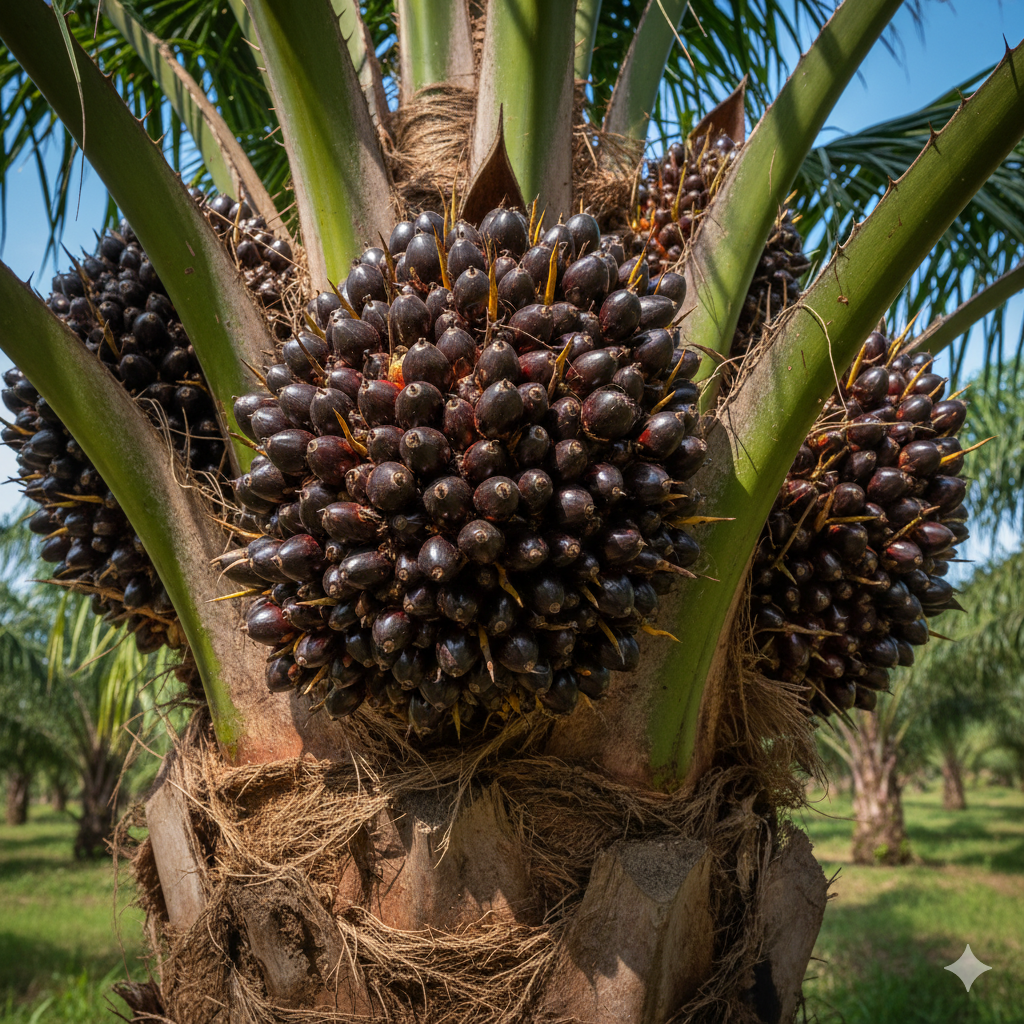
Our Values
Professionalism
Key principle that drives our missions and goals. We are intentional and deliberate in all our business dealings.
Integrity
We are dependable, reliable and trusted in all our agricultural partnerships and services.
Innovation
We prioritize the contemporary needs of society through cutting-edge agricultural research and development.
Accountability
We believe in willingness to take responsibility for our actions with discipline, diligence and persistence.
Our Services
Comprehensive agricultural solutions designed to enhance productivity, sustainability, and profitability across all farming operations.
General Horticultural Services
Key principle that drives our missions and goals. We are intentional and deliberate in all our business dealings.
Oil Palm Plantation Development
We are dependable, reliable and trusted in all our agricultural partnerships and services.
Coconut Plantation Development
We prioritize the contemporary needs of society through cutting-edge agricultural research and development.
Plantain & Banana Plantations
We believe in willingness to take responsibility for our actions with discipline, diligence and persistence.
Ogbono & Bitter Kola Development
Key principle that drives our missions and goals. We are intentional and deliberate in all our business dealings.
Agricultural Land Procurement
We are dependable, reliable and trusted in all our agricultural partnerships and services.
Agro-Related Contracts
We prioritize the contemporary needs of society through cutting-edge agricultural research and development.
Research & Development
We believe in willingness to take responsibility for our actions with discipline, diligence and persistence.
Quality Assurance
All our seeds undergo rigorous testing and quality control processes to ensure high germination rates, disease resistance, and optimal yields for our customers.
Contact Us
Ready to partner with us? Get in touch to discuss your agricultural needs and discover how MaticAgro can help you achieve your farming goals.
Our Location
Enugu, Enugu State Nigeria.
Phone Numbers
Telephone
+234 704 088 6626
+234 705 703 4150
Email Addresses
Business Hours
Monday – Friday: 8:00 AM – 6:00 PM
Saturday: 8:00 AM – 4:00 PM
Sunday: Closed